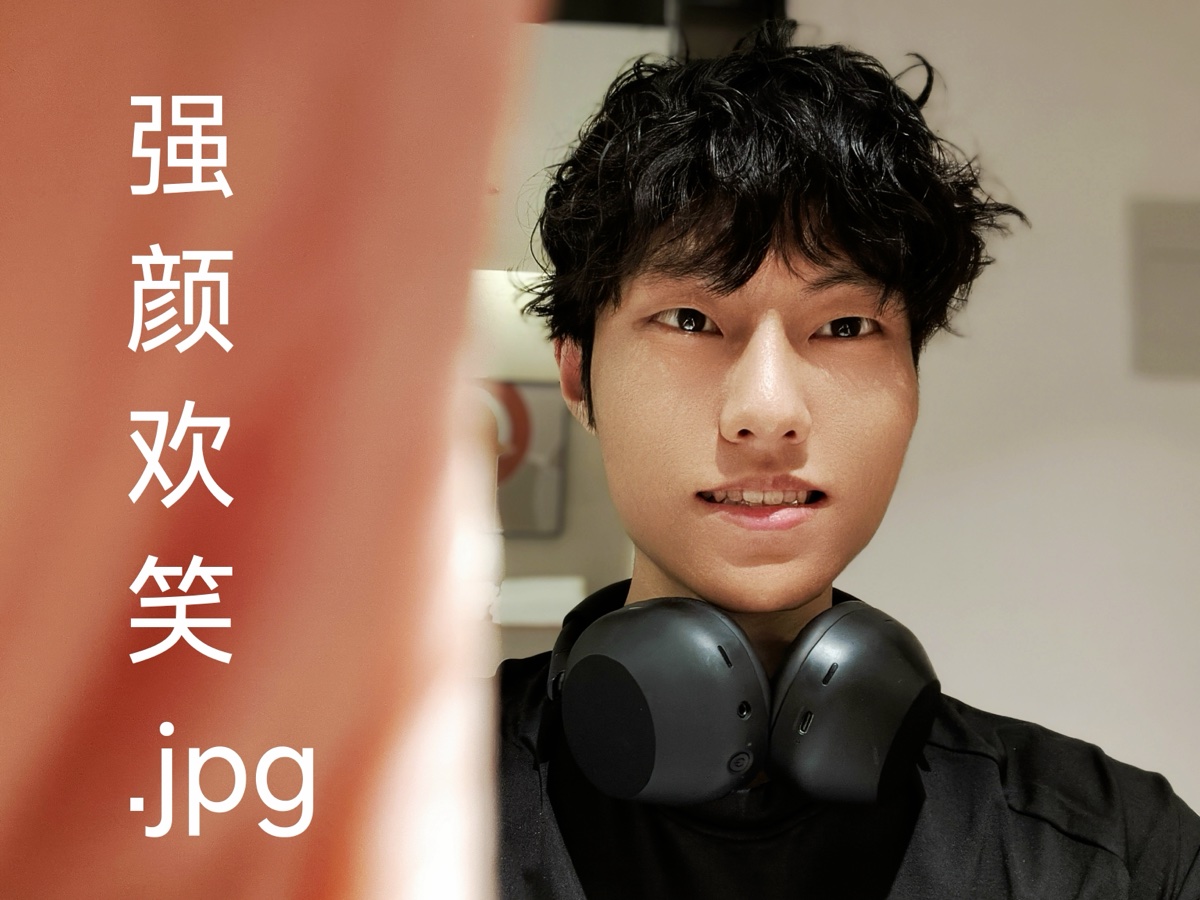
Ah-miu
Rethinking the Gaps Between Physical AI and Usfrom Machines to Human Needs
I am a CS Ph.D. student (25Fall) at UT Austin, member of VITA,
and THE BEAST co-advised by Prof. Chenfeng Xu and Prof. Atlas Wang.
Previously, I was a research assistant at UC Berkeley, working with Prof. Angjoo Kanazawa, Prof. Kurt Keutzer, and Prof. Masayoshi Tomizuka. Prior to that, I worked at NUS under Prof. Lin Shao. I received my bachelor's degree from the USTC.
Research
Coming from 3D vision, robotics, embodied AI, and efficient computation, I've converged on a single question: how intelligence can interact — efficiently, at low cost and in real time — with the real world: the physical environment, and the people in it. Building that means the full stack: the models, the hardware they fuse into, and the services that deliver them. Above all, I have a taste for the singular — technologies that don't optimize the current paradigm, but could define the next one, and set the terms of the conversation.
Rethinking the Gaps Between Physical AI and Usfrom Machines to Human Needs


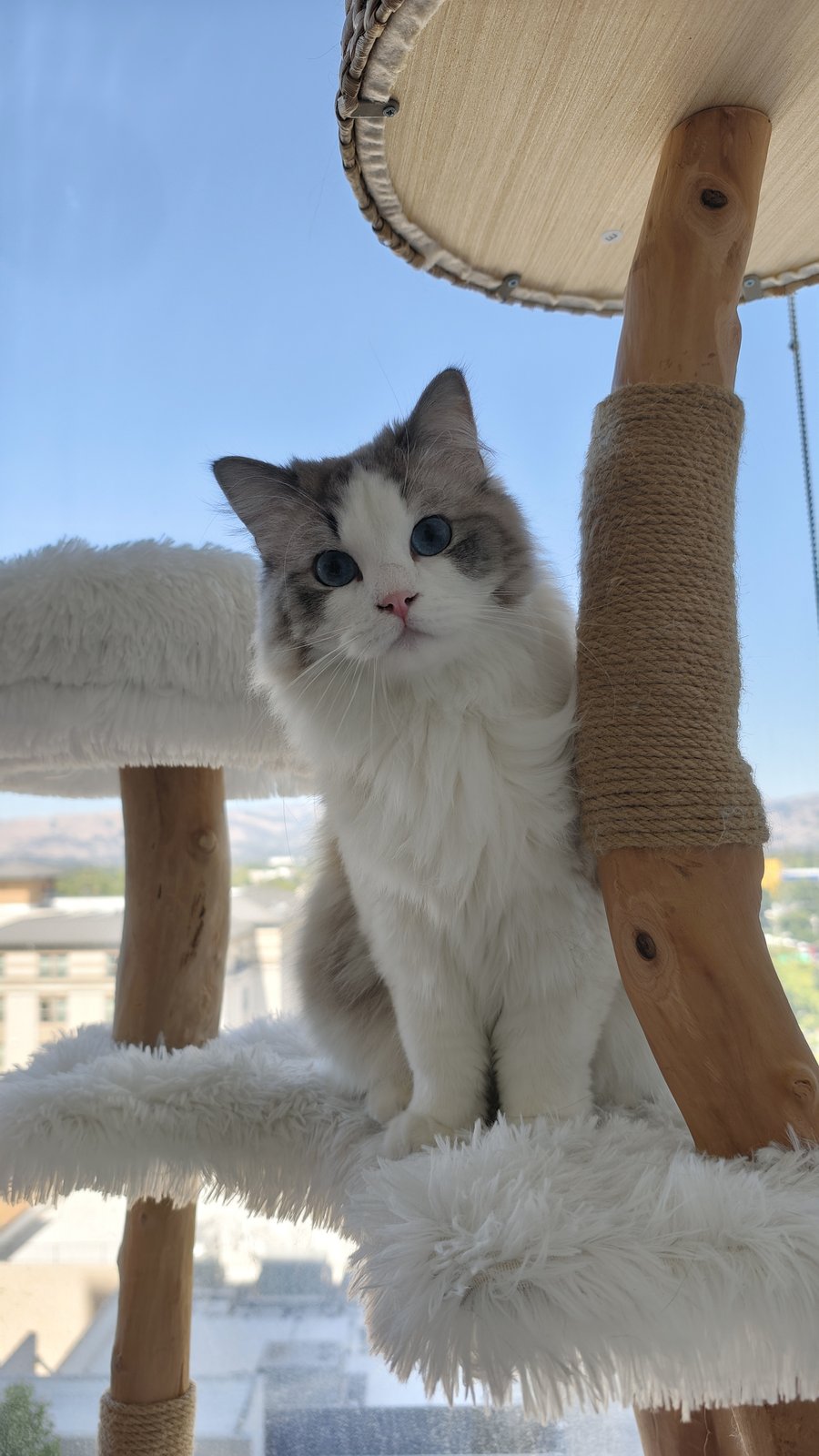
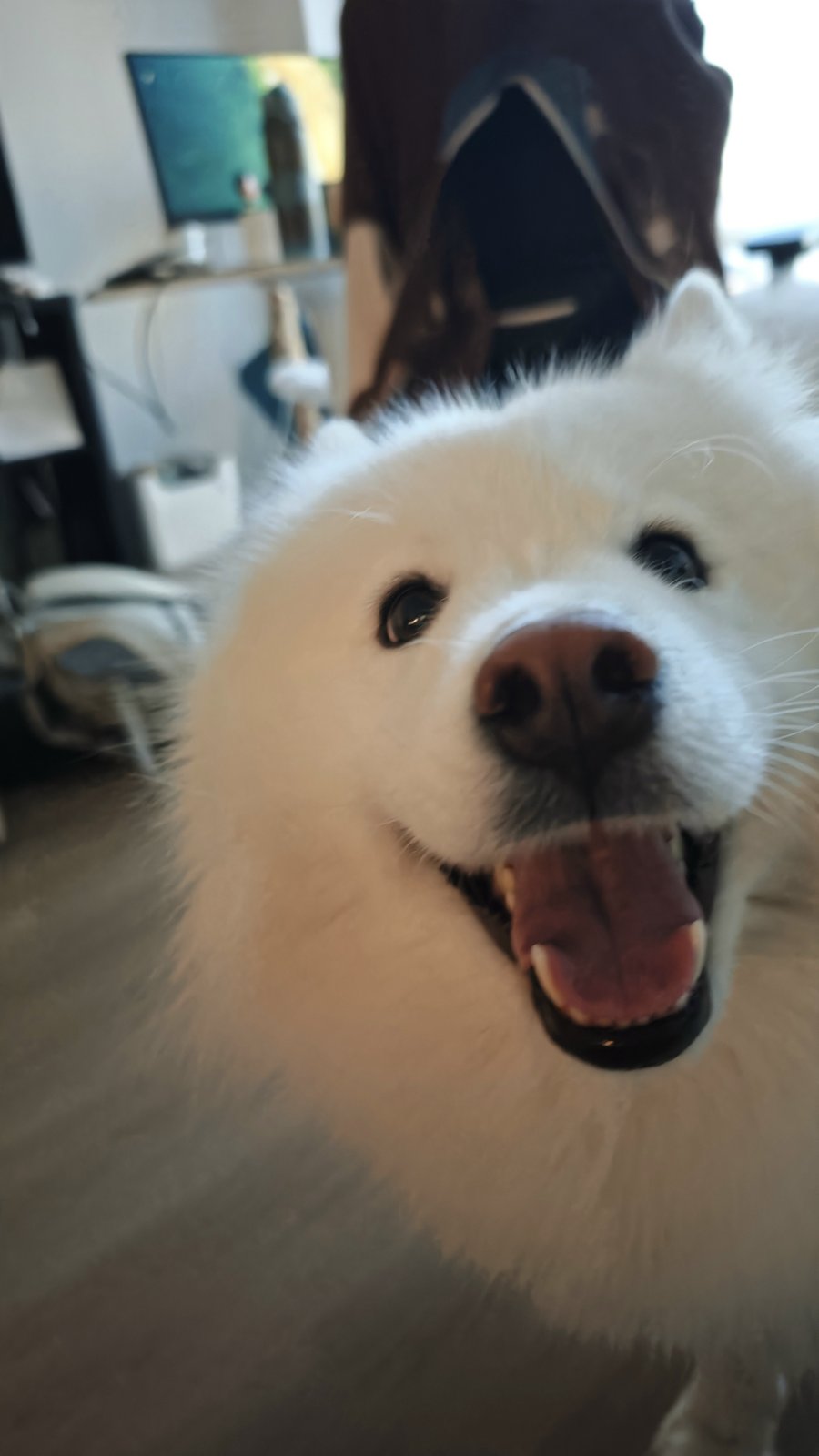


When I'm not doing research, I like to collect rare experiences and skills. For example, I once spent eight days cycling solo around Hainan Island—about 1,000 km— and I can perform Chinese sword dance.
If I have more free time, being “on the road” is my default: I wander through the corners of different cities and watch how people live; there are always unexpected people and moments around the next turn.
In truth, I mostly remain ignorant. Reading as I traveled a few years ago, after visiting thirty or forty cities, I realized I still don't understand my own country. Likewise—even if one day I visit a hundred countries, I still wouldn't claim to understand this planet; and in some farther future, even if I visit a hundred Earth-like planets, I still wouldn't claim to understand the universe.


